


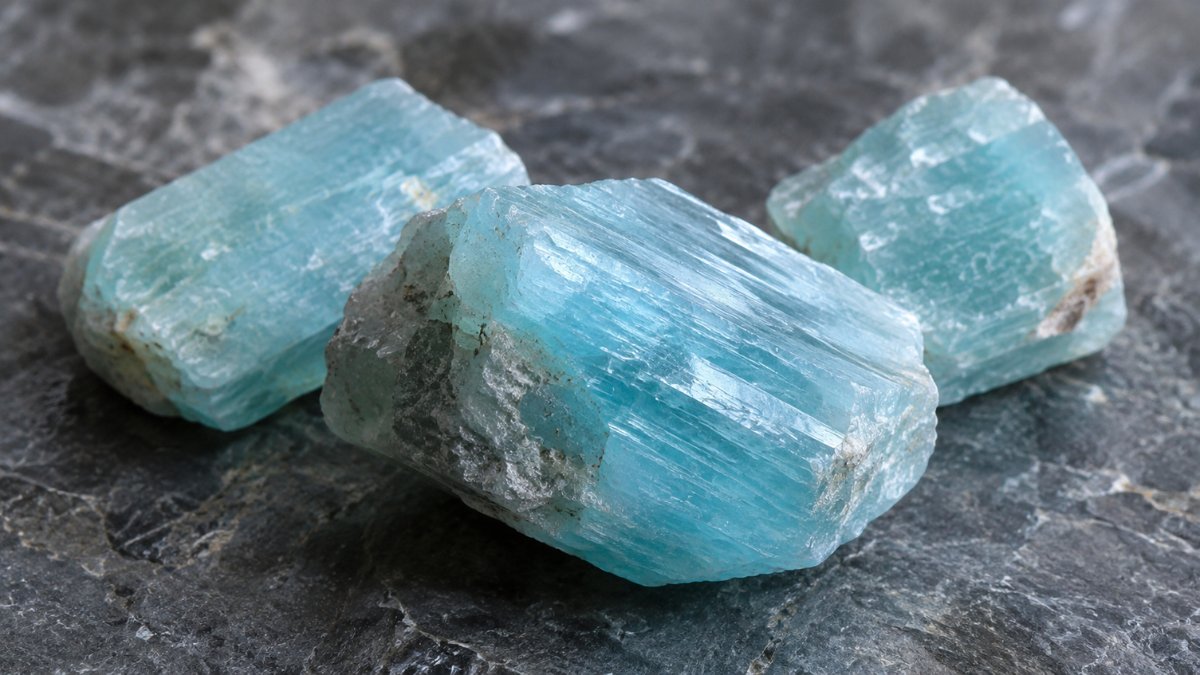
Discover everything about aquamarine raw stone, including its meaning, benefits, value, identification, care tips, and buying guide in this complete expert article.
The aquamarine raw stone has fascinated gemstone lovers for centuries with its calming blue shades and naturally untouched beauty. Unlike polished gemstones, rough aquamarine preserves the crystal’s original structure, making every piece unique. Whether you are a gemstone collector, jewelry designer, crystal enthusiast, or someone searching for a meaningful natural stone, raw aquamarine offers a combination of elegance, rarity, and authenticity.
Its ocean-like colors symbolize peace, clarity, and emotional balance. Because each specimen is formed naturally over millions of years, no two stones are exactly alike. This individuality makes rough aquamarine highly desirable among collectors and artisans who appreciate nature’s craftsmanship. Beyond its appearance, the stone also carries historical significance and is associated with calming energy, making it one of the most admired members of the beryl family.
What Is Aquamarine Raw Stone?
An aquamarine raw stone is the natural, uncut form of aquamarine before it undergoes cutting, polishing, or shaping. It belongs to the beryl mineral family, the same group that includes emerald and morganite. The gemstone forms deep within the Earth’s crust through geological processes that take millions of years.
Unlike polished gemstones, rough aquamarine displays its natural crystal faces, textures, and mineral inclusions. These characteristics are not flaws but evidence of the stone’s authentic formation. Many collectors prefer raw crystals because they showcase nature’s original artwork without human alteration.
“Nature creates the masterpiece; skilled hands simply reveal its beauty.”
Physical Properties of Aquamarine Raw Stone
The beauty of aquamarine comes from its combination of color, transparency, and crystal structure. Iron traces within the mineral create the beautiful blue and blue-green shades that make the gemstone famous worldwide.
Aquamarine is relatively durable, making it suitable for jewelry after proper cutting. Even in its rough form, the crystal often exhibits impressive clarity compared to many other natural gemstones.
| Property | Details |
| Mineral Family | Beryl |
| Color | Light blue, sky blue, blue-green |
| Hardness | 7.5–8 on Mohs Scale |
| Crystal System | Hexagonal |
| Transparency | Transparent to translucent |
| Luster | Vitreous |
| Birthstone | March |
| Common Sources | Brazil, Pakistan, Nigeria, Madagascar, Mozambique |
Why Aquamarine Raw Stone Is So Popular
Collectors and jewelry designers appreciate the untouched appearance of aquamarine raw stone because it represents authenticity. Every crystal tells its own geological story through natural growth patterns and mineral formations.
The growing popularity of handmade jewelry has also increased demand for rough gemstones. Designers enjoy working with raw crystals because they create unique pieces that cannot be duplicated. Modern consumers increasingly value individuality, making natural stones more desirable than perfectly polished gems.
Meaning and Symbolism
Throughout history, aquamarine has been connected with the sea. Ancient sailors believed it protected them during ocean voyages and ensured safe travel across rough waters. The gemstone’s calming blue appearance naturally became associated with peace and emotional stability.
Today, many people choose aquamarine because it symbolizes honesty, courage, communication, and inner harmony. Whether or not someone believes in crystal traditions, the soothing appearance alone makes it a comforting gemstone to own.
Popular Uses of Aquamarine Raw Stone
The versatility of aquamarine raw stone makes it useful in many creative and decorative applications. Some people purchase it purely for collection, while others incorporate it into artistic or spiritual projects.
Raw aquamarine is commonly used for handcrafted jewelry, crystal collections, home décor, museum displays, gemstone education, meditation practices, and lapidary work. Because every crystal has a distinctive shape, artists often allow the stone’s natural form to inspire their designs rather than reshaping it completely.
How to Identify Genuine Aquamarine
Natural aquamarine possesses several characteristics that help distinguish it from imitations. Its color is usually soft rather than overly vibrant, and authentic crystals often contain subtle internal inclusions visible under magnification.
Fake stones frequently appear unnaturally perfect or have an artificial glass-like appearance. Purchasing from reputable gemstone dealers and requesting certification for expensive specimens greatly reduces the risk of buying synthetic or mislabeled material.
Where Aquamarine Is Found
Several countries produce high-quality aquamarine, although crystal quality varies depending on geological conditions. Brazil has long been recognized as one of the world’s leading sources, producing exceptionally clear specimens.
Pakistan, Nigeria, Madagascar, Mozambique, Russia, and Afghanistan also produce beautiful aquamarine crystals. Each mining region contributes slightly different shades, crystal sizes, and mineral characteristics that appeal to different collectors.
Factors That Affect Value
Several factors determine the market value of an aquamarine raw stone. Color intensity is one of the most important considerations, with deeper blue specimens generally commanding higher prices than pale varieties.
Other value factors include crystal clarity, overall size, natural crystal shape, origin, rarity, and condition. Well-preserved crystals with minimal damage and attractive formations are particularly desirable among collectors.
Aquamarine Raw Stone vs Polished Aquamarine
Although both originate from the same mineral, rough and polished aquamarine serve different purposes. Collectors often appreciate raw crystals for their natural appearance, while polished gems are primarily intended for fine jewelry.
| Feature | Raw Aquamarine | Polished Aquamarine |
| Appearance | Natural crystal | Smooth and faceted |
| Texture | Rough | Polished |
| Best For | Collections, décor | Jewelry |
| Processing | Minimal | Extensive cutting |
| Uniqueness | Highly unique | Standardized appearance |
Benefits Associated with Aquamarine
Many crystal enthusiasts associate aquamarine with emotional calmness and improved communication. While these beliefs are cultural and spiritual rather than scientifically proven, they continue to influence the gemstone’s popularity worldwide.
People often display aquamarine in living spaces because its gentle blue tones create a peaceful atmosphere. Even without metaphysical interpretations, its natural beauty contributes to a relaxing environment and makes it an attractive decorative mineral.
How to Care for Your Aquamarine Raw Stone
Proper care helps preserve the natural appearance of aquamarine for generations. Although relatively hard, the gemstone can still chip if subjected to heavy impacts.
Clean the stone using lukewarm water, mild soap, and a soft brush. Avoid harsh chemicals, ultrasonic cleaners for fractured specimens, and prolonged exposure to extreme heat. Store individual crystals separately to prevent scratches from harder gemstones.
Buying Guide
Purchasing rough aquamarine requires careful observation and a basic understanding of gemstone quality. Examine the crystal under good lighting to evaluate color consistency, transparency, and natural crystal faces.
Choose trusted gemstone dealers who provide accurate descriptions and, when appropriate, authenticity documentation. Comparing multiple specimens before making a purchase helps buyers recognize quality differences and select the best value.
Aquamarine in Jewelry Design
Many jewelry artists intentionally preserve the rough appearance of aquamarine because it creates distinctive handcrafted designs. Raw crystal pendants, rings, bracelets, and earrings have become increasingly fashionable among individuals seeking organic and minimalist aesthetics.
The combination of sterling silver, yellow gold, or rose gold with rough aquamarine produces elegant pieces that celebrate natural beauty instead of perfect symmetry. Each design becomes one of a kind because no crystal is identical.
Conclusion Aquamarine Raw Stone
The aquamarine raw stone represents far more than an attractive mineral. It combines remarkable geological history, timeless beauty, artistic versatility, and lasting durability into a gemstone admired around the world. Whether displayed as part of a mineral collection, transformed into handcrafted jewelry, or appreciated simply for its calming appearance, rough aquamarine offers enduring appeal.
By understanding its characteristics, origins, quality factors, and proper care techniques, buyers can confidently choose specimens that match their interests and budget. Its naturally formed crystal structure serves as a reminder that some of nature’s greatest masterpieces require no polishing to be extraordinary.
Frequently Asked Questions About Aquamarine Raw Stone
What makes aquamarine raw stone different from polished aquamarine?
An aquamarine raw stone remains in its natural crystal form without cutting or polishing. It preserves original textures, crystal faces, and mineral characteristics that many collectors appreciate, while polished aquamarine is shaped primarily for jewelry.
Is aquamarine raw stone valuable?
Yes. The value depends on color, clarity, crystal size, natural formation, rarity, and origin. Deep blue, transparent crystals with minimal damage generally command higher prices than smaller or lighter-colored specimens.
Can aquamarine raw stone be used for jewelry?
Absolutely. Skilled jewelry designers frequently use rough aquamarine in handcrafted rings, pendants, earrings, bracelets, and necklaces. The natural appearance creates unique pieces that stand out from traditional polished gemstones.
How can I tell if an aquamarine raw stone is genuine?
Authentic aquamarine typically displays natural crystal faces, subtle inclusions, and soft blue or blue-green coloring. Purchasing from reputable gemstone dealers and requesting certification for valuable specimens provides additional confidence.
How should I clean and store aquamarine raw stone?
Clean the stone with mild soap, warm water, and a soft brush. Avoid harsh chemicals and strong impacts. Store it separately from harder gemstones to prevent scratching and preserve its natural crystal surfaces.
