


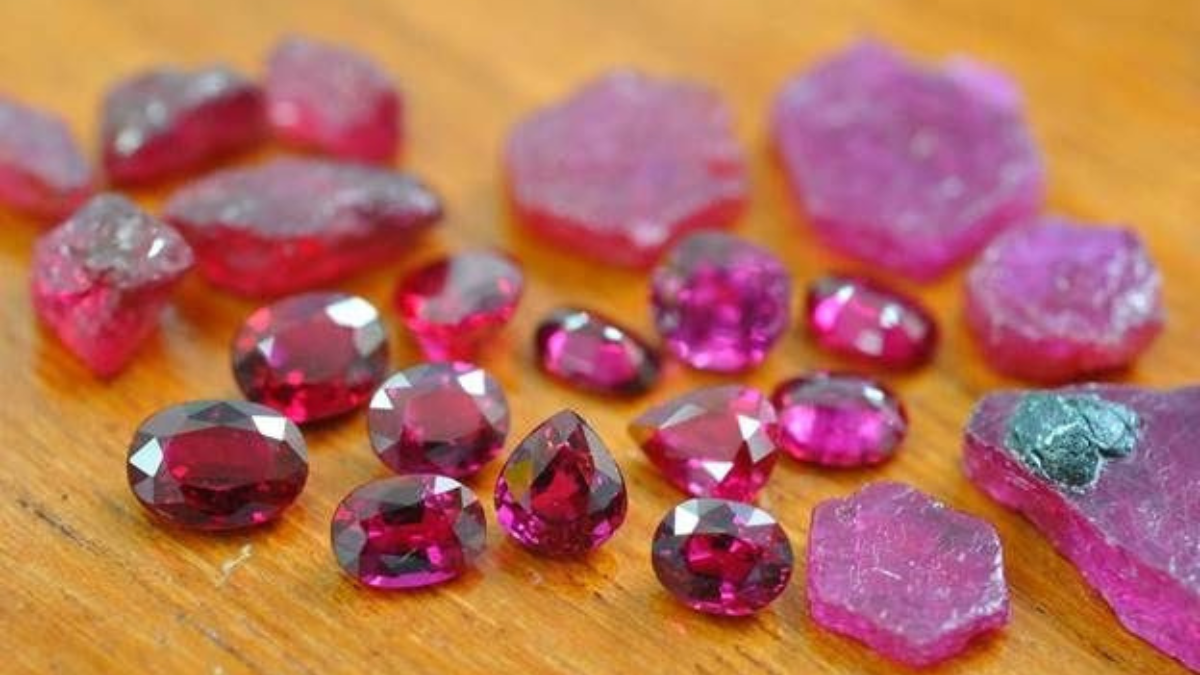
Wondering what does a raw ruby look like? Discover its natural color, texture, crystal shape, identification tips, and how to spot a genuine rough ruby.
Have you ever wondered what does a raw ruby look like before it becomes a sparkling gemstone in a piece of jewelry? Most people are familiar with polished rubies that shine brilliantly in rings, necklaces, and bracelets. However, a ruby in its natural state looks completely different from the finished gemstone you usually see.
Understanding what does a raw ruby look like is important for gemstone collectors, jewelry enthusiasts, miners, and anyone interested in precious stones. A raw ruby is untouched by cutting or polishing, allowing you to see the crystal as it formed naturally inside the earth over millions of years. Although it may appear rough and less attractive at first glance, its natural beauty lies in its unique shape, color, and geological features.
Throughout this guide, you’ll learn how to recognize a raw ruby, where it is commonly found, what colors and textures to expect, how it differs from fake stones, and the signs experts use to identify genuine specimens. Whether you’re shopping for rough gemstones or simply curious about nature’s treasures, this guide will help you understand raw rubies with confidence.
“Every polished ruby begins as a rough crystal, shaped not by humans but by millions of years beneath the Earth’s surface.”
What Is a Raw Ruby?
A raw ruby is a natural ruby crystal that has not been cut, polished, heated, or enhanced. It is extracted directly from rock formations or gemstone deposits and retains the original appearance created by geological processes. Unlike finished gemstones, rough rubies often have uneven surfaces, irregular shapes, and natural imperfections.
When people ask what does a raw ruby look like, they are often surprised to discover that it rarely resembles the brilliant gemstones displayed in jewelry stores. Instead, it may appear dull, cloudy, or covered with mineral deposits. Despite its rough appearance, a high-quality raw ruby can hold exceptional value once properly cut and polished.
What Does a Raw Ruby Look Like in Nature?
The easiest way to understand what does a raw ruby look like is by observing its natural characteristics. Freshly mined rubies usually appear as rough crystals embedded in rock or surrounded by other minerals. Their surfaces are rarely smooth and often contain natural fractures or growth lines.
Depending on the location where they formed, raw rubies can range from transparent to completely opaque. Some crystals display flat faces with hexagonal shapes, while others appear rounded after weathering in rivers and gravel deposits. Their natural appearance is unique, making every stone different from the next.
Quick Identification Table
| Feature | Raw Ruby Appearance |
| Color | Red, pinkish-red, purplish-red |
| Surface | Rough, uneven, matte |
| Shape | Hexagonal crystals or irregular chunks |
| Transparency | Transparent to opaque |
| Hardness | 9 on Mohs scale |
| Luster | Dull to slightly glassy |
| Common Matrix | Marble, basalt, or gravel deposits |
Common Colors of Raw Rubies
Color is usually the first feature people notice when learning what does a raw ruby look like. Although ruby is famous for its deep red color, natural specimens can vary significantly depending on the amount of chromium present during formation.
Some raw rubies display bright crimson tones, while others appear pinkish-red, purplish-red, or even brownish-red. In lower-quality specimens, the red color may only appear in certain areas of the crystal. Dirt, oxidation, and surrounding minerals can also make the stone appear darker until it is cleaned.
Related keywords:
- Natural ruby crystal
- Rough ruby stone
- Uncut ruby
- Ruby gemstone color
- Genuine ruby crystal
Texture and Surface Characteristics
One of the biggest surprises for beginners is that raw rubies are not perfectly smooth. Their surfaces often contain pits, grooves, cracks, and natural crystal growth patterns. These features develop naturally during millions of years underground.
If you’re wondering what does a raw ruby look like up close, imagine a rough rock with patches of rich red color showing through uneven surfaces. Some specimens have a slightly glassy shine, while others appear almost completely matte because of weathering and mineral coatings.
Crystal Shape of Natural Rubies
Rubies belong to the mineral family called corundum. As a result, they naturally grow into hexagonal crystal formations under ideal geological conditions. These crystal faces can sometimes still be seen even before cutting and polishing.
Not every raw ruby develops a perfect crystal shape. Many are broken during mining or become rounded after traveling through rivers. Nevertheless, experienced gemologists often recognize subtle crystal structures that help distinguish genuine rubies from look-alike minerals.
Where Are Raw Rubies Found?
Raw rubies are discovered in several countries known for producing high-quality gemstones. These regions have the right geological conditions for ruby formation over millions of years.
Some of the world’s best natural rubies come from Myanmar, Mozambique, Sri Lanka, Thailand, Madagascar, Tanzania, Vietnam, and Afghanistan. Each location produces stones with slightly different shades, clarity, and crystal habits. These differences help gem experts identify the origin of certain gemstones.
How to Identify a Genuine Raw Ruby
Learning what does a raw ruby look like also means understanding how professionals separate real stones from imitations. Genuine rubies have several natural properties that distinguish them from synthetic or fake materials.
Look for natural color zoning, crystal faces, mineral inclusions, and exceptional hardness. Since ruby ranks 9 on the Mohs Hardness Scale, it resists scratching much better than glass or most imitation gemstones. Professional testing using magnification and laboratory equipment provides the most reliable identification.
“Natural imperfections often increase confidence that a ruby formed in nature rather than a laboratory.”
Difference Between Raw Ruby and Polished Ruby
Many people expect rough rubies to sparkle immediately after mining. In reality, polishing dramatically transforms the appearance of the gemstone.
A raw ruby usually looks darker, rougher, and less transparent. After cutting, polishing, and sometimes heat treatment, the same stone reveals remarkable brilliance, improved clarity, and vibrant color. This transformation explains why rough gemstones often seem ordinary before skilled lapidaries work on them.
Can Raw Rubies Be Valuable?
Even though rough stones may appear unimpressive, they can be extremely valuable. The value depends on color, size, clarity, transparency, origin, and overall crystal quality.
Large untreated specimens with strong natural red color are highly sought after by collectors and jewelry manufacturers. Some rough rubies sell for thousands—or even millions—of dollars before being cut if they possess exceptional characteristics.
Mistakes People Make When Identifying Raw Rubies
Beginners frequently mistake other red minerals for rubies. Garnet, spinel, tourmaline, and even colored quartz can resemble rough ruby at first glance.
Understanding what does a raw ruby look like helps avoid these mistakes. Instead of focusing only on color, examine crystal shape, hardness, transparency, and natural inclusions. A gemstone’s overall combination of features provides much stronger evidence than color alone.
Tips for Buying Raw Ruby Stones
Buying rough gemstones requires careful observation and a trusted seller. Always request information about the stone’s origin, treatments, and authenticity whenever possible.
Examine photographs under different lighting conditions and ask whether laboratory certification is available for expensive specimens. A certified natural ruby provides greater confidence and often holds better long-term value than an uncertified stone.
Conclusion About What Does A Raw Ruby Look Like
Knowing what does a raw ruby look like gives you a much deeper appreciation for one of the world’s most treasured gemstones. Unlike the brilliant jewels found in fine jewelry, natural rubies emerge from the earth with rough surfaces, uneven shapes, and subtle beauty that reflects millions of years of geological history.
Whether you’re collecting gemstones, considering an investment, or simply expanding your knowledge, recognizing the natural characteristics of rough rubies is an essential skill. By paying attention to color, texture, crystal form, hardness, and natural inclusions, you can better distinguish genuine specimens from look-alike minerals. Every polished ruby starts as an uncut crystal, making raw rubies a fascinating glimpse into nature’s craftsmanship.
Frequently Asked Questions About What Does A Raw Ruby Look Like
What does a raw ruby look like before it is polished?
A raw ruby typically appears as a rough crystal with uneven surfaces, natural fractures, and shades of red ranging from pinkish-red to deep crimson. It usually lacks the sparkle seen in finished gemstones because it has not been cut or polished.
Can a raw ruby be dull instead of shiny?
Yes. A raw ruby often has a dull or slightly glassy appearance due to its rough surface and natural mineral coatings. Its brilliance becomes visible only after professional cutting and polishing.
How can I tell if a rough stone is a real ruby?
Look for rich natural color, crystal structure, high hardness, and natural inclusions. Since many stones resemble ruby, laboratory testing is the most reliable way to confirm authenticity.
Where are raw rubies commonly found?
Raw rubies are mined in countries including Myanmar, Mozambique, Sri Lanka, Madagascar, Tanzania, Thailand, Vietnam, and Afghanistan. Each source produces gemstones with slightly different characteristics.
Are raw rubies worth more than polished rubies?
Not always. Some exceptional rough rubies are extremely valuable because of their size and quality, while others gain value after cutting reveals better color and clarity. The final worth depends on the gemstone’s overall quality, rarity, and market demand.
