


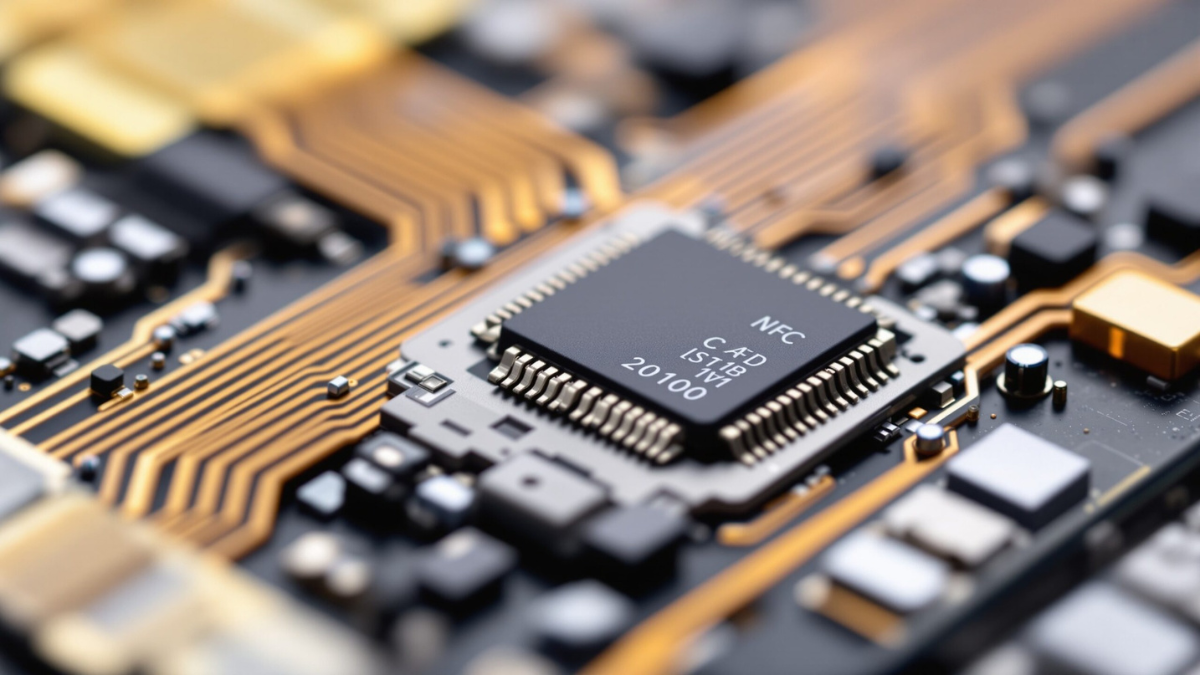
Discover how hardware innovations StartingBlockOnline are reshaping tech, from smarter chips to sustainable devices built for tomorrow.
If you’ve been paying even a little attention to the tech world lately, you’ve probably noticed that the pace of change is dizzying. New chips, new devices, new ways of building things that were unthinkable just five years ago. That’s exactly the space where hardware innovations StartingBlockOnline comes into the picture — a hub that’s quickly becoming a go-to reference point for people who want to understand where hardware is actually heading, not just where it’s been.
What makes this topic so interesting right now isn’t just the gadgets themselves. It’s the mindset shift happening behind them. Engineers, startups, and even massive corporations are rethinking how physical technology gets designed, built, and delivered. Hardware innovations StartingBlockOnline captures this shift by breaking down complex engineering trends into something the average reader, entrepreneur, or curious tech fan can actually digest and use.
What Hardware Innovations StartingBlockOnline Actually Means
At its core, this phrase represents a growing movement toward transparent, accessible information about cutting-edge hardware development. It’s not just about flashy product launches. It’s about the actual engineering decisions, material science breakthroughs, and manufacturing shifts that make new devices possible in the first place.
Think of it like a bridge. On one side, you’ve got brilliant engineers working on things like next-gen semiconductors or energy-efficient processors. On the other side, you’ve got everyday people, small business owners, and curious readers who want to understand what’s happening without needing an engineering degree. Hardware innovations StartingBlockOnline sits right in the middle, translating dense technical progress into something digestible and genuinely useful.
Why Hardware Innovation Matters More Than Ever
There was a time when software got all the attention. Apps, platforms, cloud services — that’s where the buzz lived. But lately, the pendulum has swung back toward physical technology in a big way. Supply chain disruptions, chip shortages, and a growing demand for sustainable manufacturing have all put hardware back in the spotlight.
This renewed focus isn’t just a passing trend either. Companies are realizing that no matter how brilliant their software is, it’s only as good as the hardware running it. A slow processor or an inefficient battery can undo years of software polish in seconds. That’s part of why hardware innovations StartingBlockOnline has found such an eager audience — people are hungry for a clearer picture of what’s actually driving performance improvements in their everyday devices.
As one veteran product engineer put it during a recent industry roundtable, “We spent a decade obsessing over software elegance and forgot that someone still has to build the box it runs in.” That sentiment captures exactly why the conversation around hardware has shifted so dramatically.
Key Technologies Driving the Shift
A handful of core technologies are quietly reshaping what’s possible in modern hardware design. Chiplet architecture, for instance, allows manufacturers to combine smaller specialized chips instead of relying on one massive monolithic processor. This approach cuts costs, improves yields, and makes it easier to mix and match components for specific tasks.
Then there’s the rise of edge computing hardware, which pushes processing power closer to where data is actually generated rather than shipping everything back to a distant data center. This reduces latency and opens the door for smarter, faster devices in everything from home security cameras to industrial sensors. Alongside these shifts, advances in materials science — like graphene-based components and more efficient battery chemistries — are quietly powering the next wave of consumer electronics. Together, these building blocks form the backbone of what people mean when they talk about hardware innovations StartingBlockOnline.
How StartingBlockOnline Fits Into the Bigger Picture
What sets this platform apart is its focus on context rather than just headlines. Plenty of tech blogs will tell you a new chip was announced. Fewer will explain why it matters, how it compares to previous generations, or what it means for the average consumer or small business owner trying to make smart purchasing decisions.
This is where the value of hardware innovations StartingBlockOnline really shines. Instead of drowning readers in jargon, the platform tends to connect the dots between engineering breakthroughs and real-world impact. That could mean explaining how a new cooling system extends laptop lifespan, or how a redesigned circuit board reduces energy waste in smart home devices. It’s practical, grounded, and refreshingly free of unnecessary hype.
A Quick Comparison: Traditional Hardware vs Modern Innovation
Sometimes a side-by-side view makes things click faster than paragraphs of explanation. Here’s a simple breakdown of how traditional hardware approaches compare with the innovative methods being highlighted across the hardware innovations StartingBlockOnline space.
| Aspect | Traditional Approach | Modern Innovative Approach |
| Chip Design | Single large monolithic chip | Modular chiplet-based architecture |
| Data Processing | Centralized cloud processing | Localized edge computing |
| Energy Use | Fixed power consumption models | Adaptive, AI-optimized power management |
| Manufacturing | Long, rigid production cycles | Flexible, on-demand manufacturing |
| Sustainability | Minimal recycling consideration | Modular, repairable, recyclable design |
Looking at this table, it’s easy to see why so many companies are racing to adopt newer methods. It’s not just about being trendy — it’s about building devices that are cheaper to produce, easier to maintain, and kinder to the environment.
Real-World Applications Making Waves
It’s one thing to talk about hardware innovation in the abstract, but the real excitement comes from seeing it applied. Healthcare is a great example. Wearable medical devices are becoming smaller, more accurate, and more power-efficient thanks to breakthroughs in sensor miniaturization. Patients now wear devices that once required a hospital room’s worth of equipment.
Manufacturing is another space seeing massive shifts. Factories are integrating smarter robotics powered by more efficient processors, allowing for precision work that used to require constant human oversight. Even something as simple as home appliances is getting a hardware facelift, with smarter, more energy-conscious components replacing clunky older designs. Every one of these examples ties back to the broader conversation happening around hardware innovations StartingBlockOnline, where theory meets practical application.
Challenges Standing in the Way
Of course, none of this progress comes without friction. One of the biggest hurdles is cost. Cutting-edge hardware research is expensive, and smaller companies often struggle to compete with tech giants who can pour billions into research and development. This creates a gap where innovation risks becoming concentrated in just a handful of powerful players.
There’s also the challenge of global supply chains. A brilliant new chip design means nothing if the raw materials needed to produce it are stuck at a port somewhere or subject to sudden export restrictions. Geopolitical tension has made hardware manufacturing more unpredictable than ever, and that unpredictability trickles down to consumers in the form of delayed products and rising prices. As one supply chain analyst noted, “Innovation on paper means very little if you can’t actually get the parts to build it.” It’s a blunt reminder that engineering brilliance alone isn’t enough.
Future Trends Worth Watching
Looking ahead, a few trends seem poised to define the next chapter of hardware development. Sustainable design is quickly moving from a nice-to-have to an industry expectation. Consumers and regulators alike are pushing for devices that are easier to repair, recycle, and upgrade rather than throw away after a couple of years.
Artificial intelligence is also starting to influence hardware design itself, not just software. Engineers are using AI-driven simulations to test chip designs faster and more accurately than traditional methods ever allowed. This means shorter development cycles and hardware that’s better optimized before it even reaches production. Keep an eye on this space, because the fusion of AI and physical engineering is likely to be one of the defining stories in hardware innovation over the next several years.
Practical Tips for Businesses and Creators
If you’re running a business or building a product, staying on top of hardware trends isn’t just interesting trivia — it can directly affect your bottom line. Start by paying attention to component lifecycle announcements. Knowing when a chip or part is nearing the end of its production run can save you from painful last-minute redesigns.
It’s also worth building relationships with multiple suppliers rather than relying on a single source. Given how unpredictable global supply chains have become, flexibility is one of the smartest investments a growing business can make. And don’t underestimate the value of following reliable resources that track hardware innovations StartingBlockOnline style coverage, since staying informed early often means being able to adapt before competitors even notice a shift happening.
Conclusion About Hardware Innovations StartingBlockOnline
Hardware innovation isn’t slowing down anytime soon, and honestly, that’s exciting news for anyone who cares about how technology actually works behind the scenes. From smarter chip architecture to more sustainable manufacturing practices, the changes happening today are laying the groundwork for devices that are faster, more efficient, and far more thoughtfully designed than what came before.
Staying informed about these shifts doesn’t require an engineering background — it just requires curiosity and the right sources to translate complexity into something usable. That’s precisely the role that hardware innovations StartingBlockOnline plays for so many readers, entrepreneurs, and tech enthusiasts trying to keep pace with an industry that never really stands still.
Frequently Asked Questions About Hardware Innovations StartingBlockOnline
What does hardware innovations StartingBlockOnline focus on?
It focuses on breaking down modern hardware engineering trends, from chip design to sustainable manufacturing, into content that’s easy for everyday readers and business owners to understand and apply.
Why is hardware innovation important for everyday consumers?
Better hardware means longer-lasting batteries, faster devices, and more energy-efficient gadgets, which directly improves everyday user experience without requiring any technical knowledge from the consumer.
How does chiplet architecture improve modern devices?
Chiplet architecture breaks large processors into smaller, specialized components, which lowers manufacturing costs, improves performance, and allows for more flexible upgrades over time.
Is sustainable hardware design actually becoming mainstream?
Yes, sustainability is shifting from a marketing bonus to a genuine industry standard, with more companies designing repairable and recyclable products in response to consumer and regulatory pressure.
Where can businesses start applying hardware innovation trends?
Businesses can start by tracking component lifecycles, diversifying suppliers, and following trusted resources that cover hardware innovations StartingBlockOnline style updates to stay ahead of industry shifts.
