


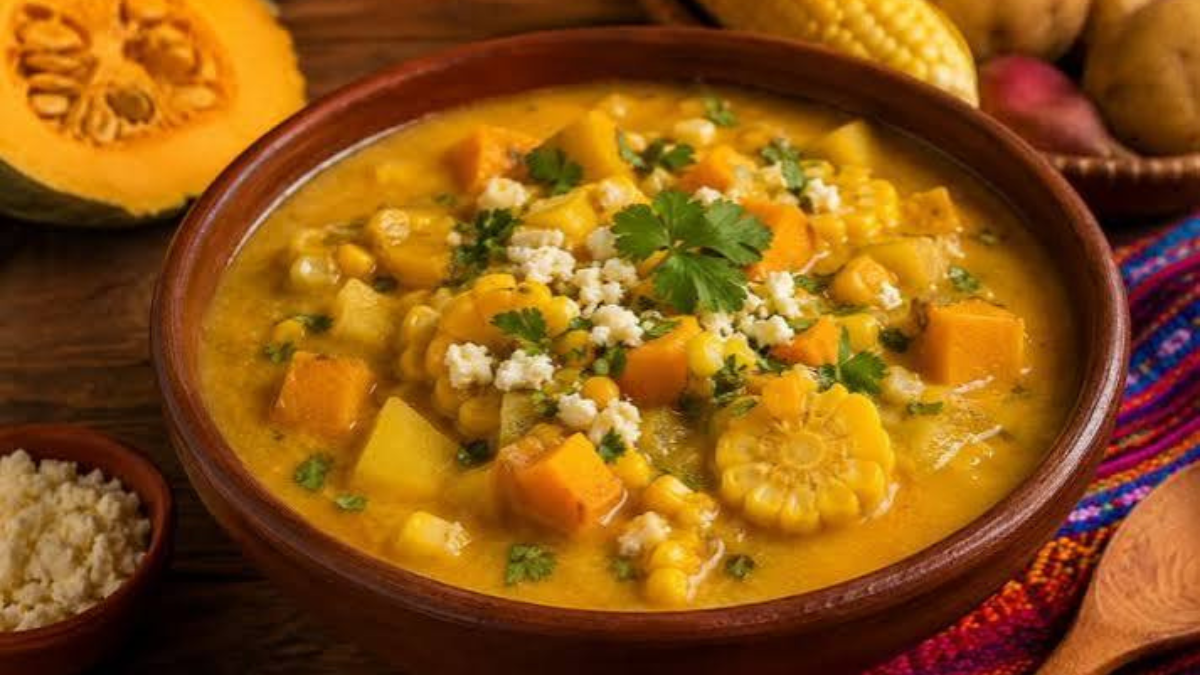
Craving something warm and hearty? Here’s how to find the best locro de zapallo near me, plus tips to spot the real deal.
If you’ve typed “best locro de zapallo near me” into your phone at nine o’clock on a chilly evening, you already know the feeling. There’s something about this pumpkin-based stew that just calls to you when the weather turns cold or when you’re missing a taste of home. Locro de zapallo isn’t just soup — it’s comfort in a bowl, thick with squash, corn, beans, and usually a little smoky meat to round things out. The tricky part isn’t wanting it. The tricky part is finding somewhere that actually makes it well, because not every restaurant that lists it on the menu understands what makes this dish special.
This guide is built for exactly that moment of hunger and hope. We’ll walk through what makes a truly great bowl of locro, how to evaluate places near you without wasting a night on a mediocre version, what questions to ask, and how to even make it yourself if the search comes up empty. Whether you’re new to the dish or you grew up eating it every Sunday, by the end of this you’ll know exactly how to track down a bowl that’s worth the trip.
What Exactly Is Locro De Zapallo?
Before hunting down a restaurant, it helps to actually understand what you’re looking for. Locro de zapallo is a traditional stew found across South America, especially popular in Argentina, Chile, Ecuador, and parts of Peru, though every region puts its own spin on it. The base is almost always squash or pumpkin — “zapallo” — cooked down until it practically melts into the broth, giving the whole dish that signature velvety texture.
From there, ingredients vary depending on where you are. Some versions lean heavily on corn and beans, making it a filling, near-vegetarian meal. Others add chorizo, beef, or pork to give it depth and a smoky backbone. Cheese is a common finishing touch in the Ecuadorian style, melted right into the broth or served on top. What ties every regional variation together is the slow-cooked, layered approach — this isn’t a thirty-minute weeknight soup. It’s built over hours, and that patience is exactly what separates an average bowl from an unforgettable one.
Why People Keep Searching For Best Locro De Zapallo Near Me
There’s a reason this exact phrase shows up so often in search bars. Locro de zapallo isn’t the kind of dish you can grab at just any corner restaurant. It requires specific ingredients, proper technique, and honestly, a bit of cultural know-how that not every kitchen has. So when someone searches for the best locro de zapallo near me, they’re usually not just hungry — they’re hoping to find a place that treats the recipe with respect.
Another reason this search is so common is nostalgia. A lot of people grew up with a grandmother, aunt, or family friend who made this stew on cold days, and no amount of generic soup can replace that memory. Finding a restaurant that gets close to that homemade version feels like a small win. It’s also worth noting that this dish tends to be seasonal in many households, tied to holidays or the first cold snap of the year, which explains why searches for it spike at certain times rather than staying steady all year round.
How To Actually Find Good Locro Near You
Search engines and map apps are a decent starting point, but they don’t tell the whole story. When you type in a query like this, you’ll often get a mixed bag of results — some fantastic, some barely passable. The trick is knowing how to filter through them quickly instead of showing up somewhere disappointing.
Start by checking recent reviews rather than just the overall star rating. A restaurant might have a solid 4.5 average built on years-old reviews, while recent visitors are saying the quality has slipped. Look specifically for mentions of the dish by name in reviews, since that tells you real customers ordered it and cared enough to comment. Photos posted by other diners are gold here too — locro should look thick, hearty, and slightly rustic, not thin or watery. If the photos show a soupy, pale liquid with barely any texture, that’s usually a red flag that corners were cut.
What Separates A Great Bowl From A Mediocre One
Once you’ve narrowed down a few spots, it helps to know what you’re actually tasting for. The texture should be thick enough that a spoon can practically stand up in it, with the squash fully broken down rather than sitting in chunky, undercooked pieces. If it tastes thin or more like a broth, that’s usually a sign the kitchen rushed the process.
Seasoning matters just as much as texture. A well-made version balances the natural sweetness of the pumpkin with savory elements like cumin, paprika, or a bit of smoked meat, so the flavor doesn’t taste one-note or overly sugary. Good locro also tends to feel layered, meaning each spoonful hits a slightly different combination of corn, beans, squash, and meat rather than everything blending into mush. If a restaurant nails these details consistently, you can trust their kitchen actually knows the dish rather than just copying a recipe off the internet.
<blockquote> “You can tell within the first bite whether someone respects the dish or is just going through the motions. Real locro tastes like it was made with patience, not a timer.” — a home cook from Buenos Aires, quoted in a regional food blog </blockquote>
Comparing What To Look For When Searching Locally
Here’s a quick breakdown that can help you judge potential spots before you even walk through the door or place an order.
| What To Check | Good Sign | Warning Sign |
| Menu description | Mentions squash, corn, beans, and slow cooking | Vague description like “pumpkin soup” |
| Reviews | Recent mentions of the dish specifically | Only general reviews about the restaurant overall |
| Photos | Thick, hearty, textured stew | Thin, watery, or pale liquid |
| Price | Reasonable for a labor-intensive dish | Suspiciously cheap for a slow-cooked meal |
| Availability | Offered daily or seasonally with notice | Only “sometimes available,” inconsistent |
This kind of quick comparison saves you from wasting an evening at a place that technically has the dish on the menu but doesn’t actually do it justice.
Regional Variations Worth Knowing About
Not all locro is created equal, and part of finding a great bowl is knowing which regional style you’re actually craving. The Argentine version often leans savory, packed with beans, corn, and various cuts of meat, sometimes served with a spicy oil called salsa criolla drizzled on top for a kick. It’s hearty enough to be a complete meal on its own, especially during colder months or national holidays when it’s traditionally served.
The Ecuadorian take tends to focus more heavily on the squash itself, often blended smoother and finished with cheese and avocado slices on the side. It’s a bit lighter in some ways but still deeply comforting. Chilean and Peruvian versions bring their own regional touches too, sometimes incorporating local herbs or slightly different cooking techniques passed down through generations. Knowing which style a restaurant specializes in can help set your expectations correctly, so you’re not disappointed if you were expecting one style and got another.
Tips For Ordering Like A Regular
If you’ve found a promising place, a few small habits can help you get the best possible experience. Asking your server how the dish is prepared that day is a simple but effective move, since many restaurants tweak their recipe slightly based on what’s fresh. Staff members are often happy to talk about it, especially if it’s clearly a point of pride for the kitchen.
It’s also worth asking whether the dish is made fresh daily or held over from a previous batch, since some stews actually taste better the next day once the flavors settle, while others lose their texture if reheated too many times. Don’t be afraid to ask for recommendations on what to pair it with either — bread, a simple salad, or even a small side of rice can round out the meal nicely depending on the region’s tradition. Regulars tend to know these little details, and asking a couple of questions can instantly make your dining experience feel more informed and enjoyable.
What To Do If You Can’t Find It Nearby
Sometimes, despite your best searching, there just isn’t a solid option nearby. Maybe you live somewhere without much South American food culture, or the one place that used to serve it has since closed. In that case, making it yourself is a completely reasonable next step, and honestly, it’s not as intimidating as it might sound.
The core ingredients are usually accessible at most grocery stores — squash, corn, beans, and your choice of meat or a vegetarian substitute. The real key is time and patience, letting everything simmer low and slow until the squash breaks down naturally into the broth rather than trying to rush it with high heat. Plenty of home cooks who couldn’t find a good version locally ended up learning to make their own, and many say it became a regular comfort meal in their household once they got the technique down. There are also community groups and online forums where people share family recipes, which can be a great starting point if you want an authentic version rather than a generic internet recipe.
Making The Most Of Seasonal Availability
One thing a lot of people don’t realize is that this dish often has a seasonal rhythm tied to it. In many households and restaurants alike, it’s more common during cooler months, tied to specific holidays or simply the natural craving that hits when temperatures drop. If you’re searching in the middle of summer, you might find fewer restaurants offering it, simply because demand shifts throughout the year.
Keeping this in mind can save you some frustration. If your search comes up empty during warmer months, it doesn’t necessarily mean nowhere nearby makes it well — it might just mean it’s temporarily off the menu until the weather cools down again. Calling ahead or checking a restaurant’s social media for seasonal menu updates can save you a wasted trip and help you time your visit for when the dish is actually being served fresh.
Conclusion
Finding a great bowl nearby takes a little more effort than a quick search, but it’s absolutely worth it once you land on the right spot. Pay attention to recent reviews, look closely at photos, ask a few smart questions, and keep regional variations in mind so your expectations match what’s actually being served. And if your search truly comes up empty, don’t be afraid to bring the tradition into your own kitchen — with a bit of patience, you can recreate that same comforting bowl at home. Either way, the goal is the same: a thick, warm, flavorful stew that reminds you exactly why this dish has stuck around for generations.
Frequently Asked Questions
What does locro de zapallo actually taste like?
It’s savory with a natural sweetness from the squash, often balanced with smoky or spiced notes from meat and seasoning. The texture is thick and hearty, closer to a stew than a traditional soup, with corn and beans adding bite throughout.
Is it hard to find good locro de zapallo near me in most cities?
It depends heavily on your local food scene. Areas with a strong South American community tend to have more reliable options, while other cities may only have one or two restaurants that make it properly, so checking recent reviews really matters.
Can I get a vegetarian version of this dish?
Yes, many restaurants offer a version without meat, relying on the natural richness of the squash, beans, and corn for flavor. It’s worth asking directly since not every menu clearly states whether a vegetarian option exists.
How can I tell if a restaurant makes it fresh instead of reheating an old batch?
Asking your server directly is usually the fastest way to find out. You can also look at consistency between visits — if the texture and flavor vary wildly each time, that can be a sign of inconsistent preparation.
Why does the best locro de zapallo near me seem to change with the seasons?
Because it’s traditionally a cold-weather comfort dish, many kitchens only feature it during cooler months or around specific holidays. If you’re searching in summer and coming up short, checking back once the season shifts often helps.
Is it worth making locro de zapallo at home if I can’t find a good version nearby?
Absolutely. The ingredients are usually easy to source, and while it takes time to cook properly, it’s a forgiving recipe for beginners. Plus, making it yourself means you can adjust the seasoning and ingredients to match exactly what you’re craving.
