


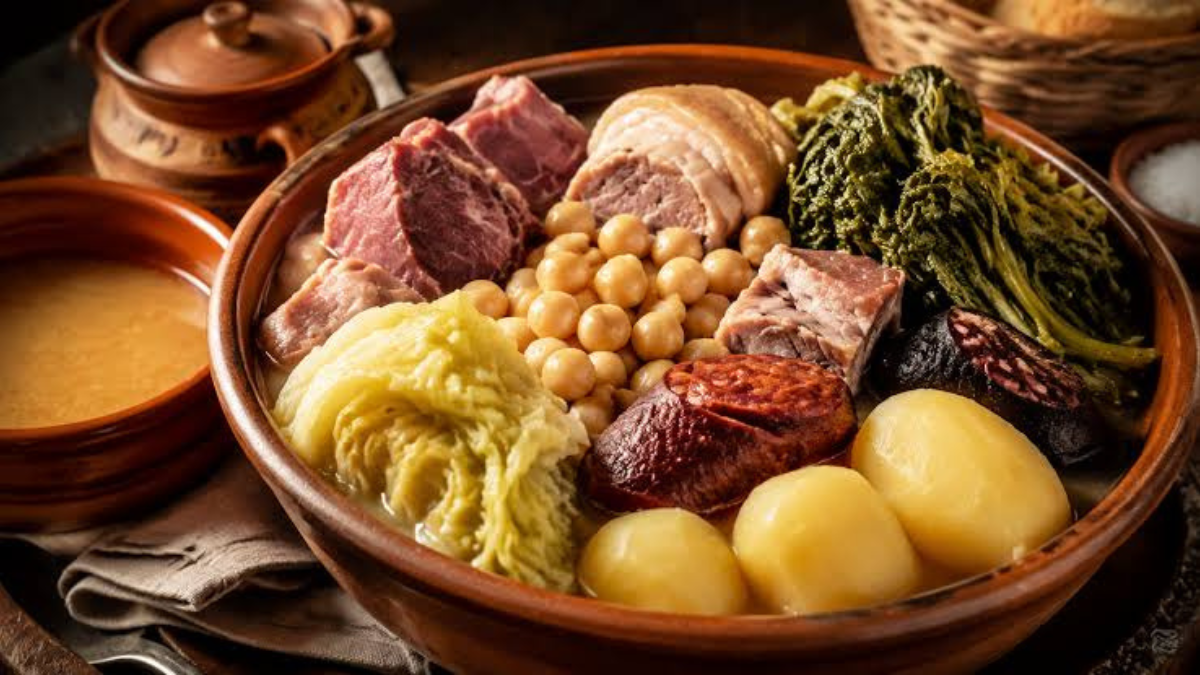
Craving comfort food? Here’s how to find the best cocido gallego near me, from spotting real Galician flavor to picking the right spot.
If you’ve ever typed “best cocido gallego near me” into your phone at 1 p.m. on a rainy Sunday, you already know the feeling. You’re not just hungry — you’re craving something warm, hearty, and a little bit nostalgic, even if you’ve never set foot in Galicia. Cocido gallego is one of those dishes that just hits different. It’s chickpeas, pork, chorizo, cabbage, and potatoes all simmered together for hours until the broth turns rich and the whole kitchen smells like someone’s grandmother has been cooking since sunrise. Finding a place that actually nails it, though, is trickier than it sounds.
This guide walks you through everything you need to know before your next search for the best cocido gallego near me actually pays off. We’ll cover what makes this dish special, how to spot a restaurant that takes it seriously, what to expect on the menu, and a few insider tips that most food blogs won’t tell you. By the end, you’ll know exactly what separates a mediocre bowl from the kind of cocido that makes you want to book a return visit next week.
What Exactly Is Cocido Gallego?
Cocido gallego is a traditional stew from the Galicia region in northwestern Spain, and it’s built for cold weather and big appetites. At its heart, you’ll find chickpeas, several cuts of pork (often including pork belly, ham hock, and ears), chorizo, and sometimes a piece of beef or veal, all boiled slowly with potatoes and Galician greens like grelos or cabbage. The magic isn’t in any single ingredient — it’s in the layering. Everything cooks together in the same pot, so the meats flavor the broth, the broth flavors the vegetables, and by the time it hits your table, every bite carries a little bit of everything.
What makes this dish different from other Spanish stews is its structure. In many traditional households, cocido gallego is actually served in courses rather than as one big bowl. First comes the broth, sometimes with noodles added to stretch it further. Then the chickpeas and vegetables arrive. Finally, the meats are plated separately, often with a side of boiled potatoes. It’s a slow, communal meal meant to be shared, which is exactly why so many people go looking for the best cocido gallego near me when they want something more than a quick lunch — this is comfort food meant to be lingered over.
Why People Search for the Best Cocido Gallego Near Me
There’s a reason this specific search term shows up so often, especially during winter months. Cocido gallego isn’t something most people know how to cook at home — it takes hours of preparation, a specific mix of cuts that aren’t always easy to find at a regular grocery store, and a bit of technique passed down through generations. So instead of attempting it themselves, people go searching for a restaurant that already has it figured out.
There’s also the emotional pull of the dish. For a lot of Spanish and Latin American families, cocido gallego is tied to childhood memories, Sunday gatherings, or a specific grandparent’s kitchen. When someone searches for the best cocido gallego near me, they’re often not just looking for food — they’re looking for a taste memory. That’s a big reason why reviews and word-of-mouth recommendations matter so much more for this dish than for, say, a burger or a pizza. People are pickier because the stakes feel higher.
How to Identify a Restaurant That Does It Right
Not every place claiming to serve cocido gallego actually respects the tradition, so it helps to know a few signs before you commit to a table. The broth is usually the first giveaway. A properly made cocido has a broth that’s rich and slightly cloudy from the slow-rendered fat and collagen, not thin and watery like something rushed through in under an hour. If the broth tastes flat or overly salty with no depth, that’s usually a sign the kitchen cut corners.
Another good indicator is variety in the meats. Authentic cocido gallego includes multiple cuts of pork, not just one type of sausage tossed into a pot of beans. If a restaurant’s version looks suspiciously simple — just chorizo and chickpeas, for example — it’s probably a shortcut version made for speed rather than tradition. One food writer put it well:
“A good cocido isn’t measured by how fast it comes out of the kitchen — it’s measured by how long it sat on the stove before you even walked in the door.”
That quote sums up the entire philosophy behind this dish. Patience is the main ingredient, and you can usually taste when it’s missing.
Table: Signs of a Great Cocido Gallego vs. A Mediocre One
| Feature | Great Cocido Gallego | Mediocre Cocido Gallego |
| Broth | Rich, slightly cloudy, deeply savory | Thin, watery, one-note salty |
| Meat variety | Multiple pork cuts plus chorizo | Just sausage or a single meat |
| Chickpeas | Soft but holding shape | Mushy or undercooked |
| Greens | Grelos or cabbage cooked in the broth | Missing entirely or added as garnish |
| Serving style | Broth, then vegetables, then meats | Everything dumped in one bowl |
| Menu presence | Listed as a house specialty or seasonal dish | Buried as a generic “stew” option |
Keep this table in mind the next time you’re comparing options, because presentation and structure tell you almost as much as the taste itself.
What to Expect on the Menu
Most restaurants that take pride in their cocido gallego will list it as a seasonal or weekend-only dish, since it takes so long to prepare properly. Don’t be surprised if you see it advertised only on Sundays, or only during the colder months between November and March. That’s actually a good sign — it usually means the kitchen isn’t trying to mass-produce it every single day, which would compromise the slow-cooked quality that makes the dish worth eating in the first place.
Pricing can vary quite a bit depending on the region and whether the restaurant imports Galician ingredients directly. Places that use authentic Spanish chorizo, real grelos, and proper cuts of pork tend to charge more, but it’s usually worth it for the difference in flavor. If you’re searching for the best cocido gallego near me and comparing a few options, don’t automatically go for the cheapest one. A shockingly low price often means the kitchen swapped in cheaper substitutes that just don’t deliver the same depth.
Tips for Making the Most of Your Cocido Experience
Go in hungry, and I mean genuinely hungry, because this dish is not light. A full serving of cocido gallego, done properly, typically includes broth, a full plate of chickpeas and vegetables, and then a separate plate of assorted meats. Trying to pace yourself is part of the fun, but skipping breakfast beforehand is a smart move if you want to actually finish everything without waving the white flag halfway through.
It also helps to ask your server a few questions before ordering, especially if this is your first time trying the dish. Ask whether the broth is served first or if everything comes out together, and ask if there’s a spicy paprika condiment available on the side, since many traditional versions are served with a small dish of pimentón for extra kick. A restaurant staff that can answer these questions confidently and in detail is usually a strong signal that they respect the dish rather than just having it on the menu to check a box.
Regional Variations Worth Knowing About
While cocido gallego is the specific Galician version, it’s worth knowing that cocido dishes exist all across Spain and Latin America, each with its own twist. Cocido madrileño, for instance, tends to be a bit lighter and often includes vermicelli noodles in the broth course. Cocido montañés, from Cantabria, leans heavier on beans instead of chickpeas. Knowing these differences can help you avoid confusion if a restaurant’s menu simply says “cocido” without specifying the regional style.
If you’re specifically after the Galician version, look for menu language that mentions grelos, Galician chorizo, or lacón, which is a cured pork shoulder unique to the region. These small details on a menu are usually the clearest sign that a restaurant is serving the real Galician recipe rather than a generic regional stew dressed up under the same name.
The Role of Community Reviews and Word of Mouth
Online reviews can only tell you so much, but for a dish like this, they’re surprisingly reliable. People who grew up eating cocido gallego tend to be vocal in their reviews, either praising a place for nailing the family recipe or calling out a restaurant for serving a watered-down version. Reading through a handful of detailed reviews, rather than just glancing at star ratings, will usually reveal whether a place lives up to the hype.
Local Spanish and Galician community groups, whether on social media or neighborhood forums, are often better sources than generic review sites. These communities tend to gatekeep the good spots a little less than you’d expect, since food this close to home tends to bring people together rather than create competition. If you can find a Galician expat group in your city, asking them directly is one of the fastest ways to skip the guesswork entirely.
Final Thoughts
Finding a great bowl of cocido gallego isn’t about luck — it’s about knowing what to look for and being willing to ask a few questions before you sit down. The dish rewards patience, both in the kitchen and at the table, and the restaurants that respect that tradition are usually easy to spot once you know the signs. Rich broth, varied cuts of meat, properly cooked chickpeas, and a menu that treats the dish as a specialty rather than an afterthought are all strong indicators you’ve found something worth returning to.
So the next time hunger strikes and you find yourself searching for the best cocido gallego near me, take a moment to check the menu details, read a few honest reviews, and maybe even ask a local Galician community for their favorite spot. This is a dish built on tradition and slow cooking, and the reward for a little extra research is a meal that actually feels like it was made with care, not just convenience.
Frequently Asked Questions
What is the difference between cocido gallego and other Spanish stews?
Cocido gallego is specifically from the Galicia region and typically uses chickpeas, multiple cuts of pork, chorizo, and grelos or cabbage. Other regional versions, like cocido madrileño, often include noodles or different meats, so the ingredient list is the easiest way to tell them apart.
How do I know if I’ve found the best cocido gallego near me?
Look for a rich, slightly cloudy broth, a good variety of pork cuts, and greens like grelos cooked directly into the stew. Restaurants that serve the dish as a seasonal specialty rather than an everyday item are usually taking it more seriously.
Is cocido gallego served all year round?
Not usually. Most kitchens serve it seasonally, often only on weekends during colder months, since it takes hours to prepare properly and tastes best as a warming winter dish.
What sides typically come with cocido gallego?
Boiled potatoes are the most common side, along with the broth served as a first course and sometimes a small dish of pimentón, or smoked paprika, for added flavor.
Why does cocido gallego taste different at every restaurant?
Because the dish depends heavily on the specific cuts of pork used, the cooking time, and whether the kitchen uses authentic Galician ingredients like lacón or real Spanish chorizo. Small ingredient differences add up to noticeably different results, which is exactly why comparing a few spots before settling on your favorite is worth the effort.
